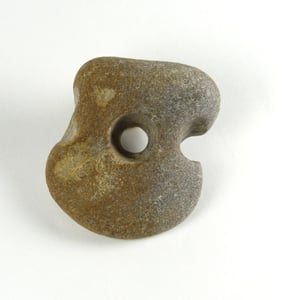
What are Holey Stones?
What Are Holey Stones?
If you've ever walked along a beach and discovered a pebble with a natural hole running through it, you've found what is commonly known as a holey stone. These fascinating seaside treasures have been collected for centuries and are surrounded by folklore, mystery, and coastal tradition.
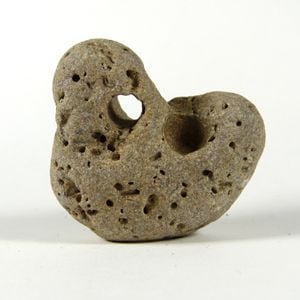
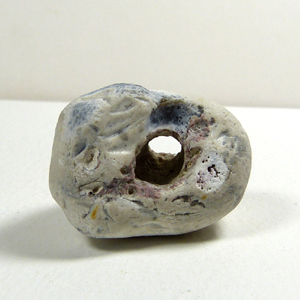
What is a Holey Stone?
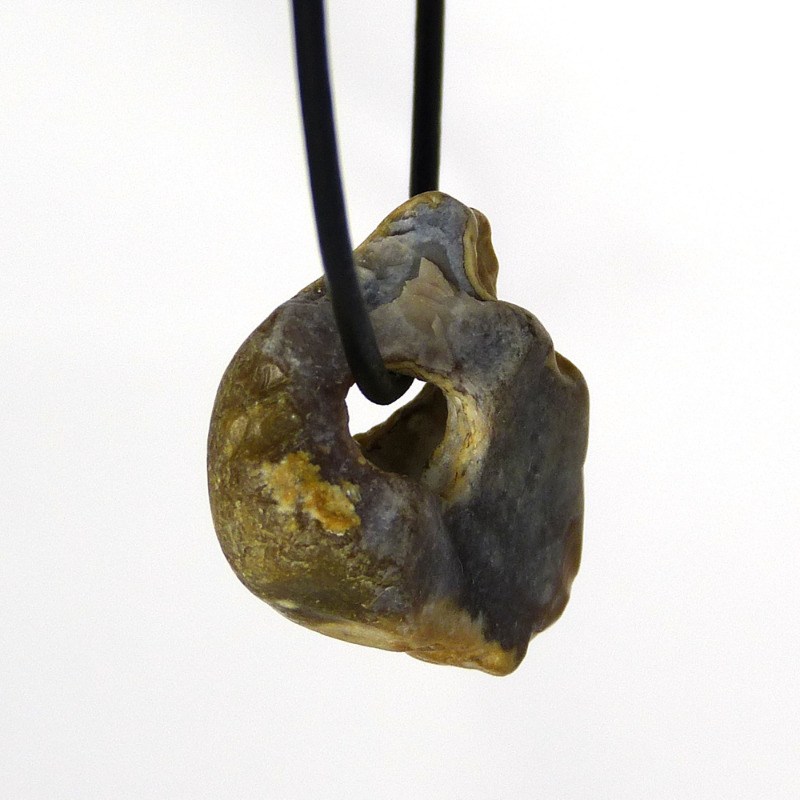
A holey stone is a naturally formed stone with a hole that passes completely through it. Unlike stones that have been drilled by people, the holes in genuine holey stones are created by natural processes over many years. They are often found on beaches, riverbanks, and rocky shorelines where the forces of nature have had time to shape them.
Holey stones are known by many different names, including:
Hag Stones
Witch Stones
Fairy Stones
Lucky Stones
Adder Stones
Odin Stones
In Northumberland and other coastal areas of Britain, "Adder Stone" is a particularly common name.
How Are Holey Stones Formed?
There are several natural ways a hole can form in a stone.
The most common is through erosion. Water, sand, and small pebbles gradually wear away softer areas of the rock until a hole forms. This process can take hundreds or even thousands of years.
Along some coastlines, marine molluscs known as piddocks bore into softer rocks such as limestone, sandstone, and chalk. As these rocks break down, naturally holed stones can be left behind.
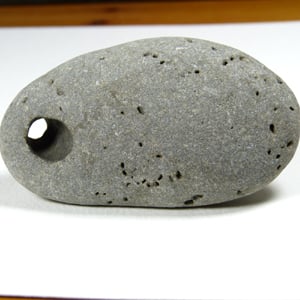
The Folklore of Holey Stones
For centuries, people believed holey stones possessed magical powers.
Across Britain and Europe, they were carried as protective amulets and hung above doors, windows, stables, and fishing boats to ward off bad luck and evil spirits. Many fishermen considered them lucky charms that would keep them safe at sea.
Some traditions claimed that looking through the hole allowed a person to see fairies, spirits, or hidden truths that were invisible to the naked eye. In Celtic folklore, adder stones were thought to possess powerful protective qualities and were treasured by those who found them.
Are Holey Stones Lucky?
Many beachcombers still consider finding a holey stone to be a sign of good fortune.
While there is no scientific evidence that these stones bring luck, their rarity and unique appearance make them special finds. For many collectors, the real magic lies in the joy of discovering something that has been shaped by nature over countless years.

Where Can You Find Holey Stones?
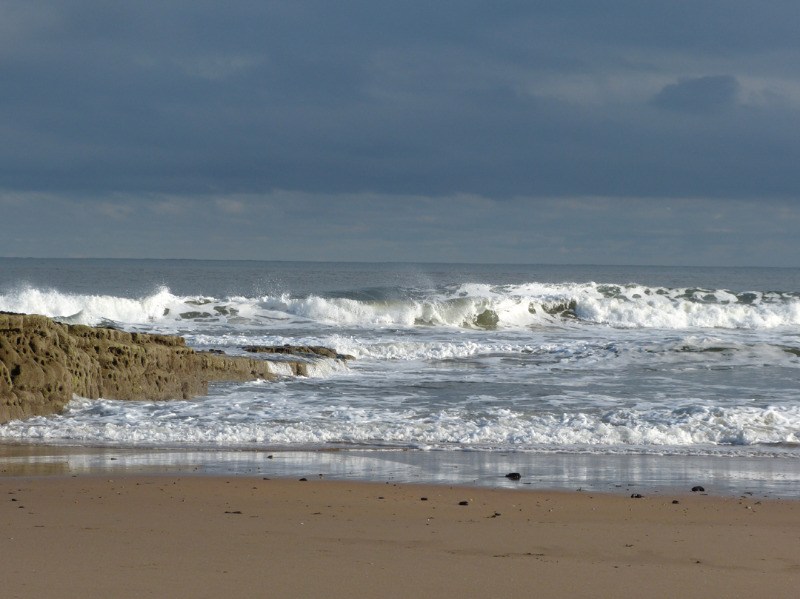
Holey stones can be found on beaches around the UK, particularly where there are rocky shorelines and strong tidal movements. They are often discovered among pebbles after storms or periods of rough weather when fresh material has been exposed.
Searching for them is one of the great pleasures of beachcombing. Every holey stone is unique, making each find a one-of-a-kind gift from the sea.
Why Beachcombers Love Holey Stones
For beachcombers, holey stones represent the perfect combination of natural history and folklore. They tell a story of waves, tides, time, and tradition. Whether you keep one as a lucky charm, display it in your home, or simply enjoy the thrill of finding one, a holey stone is a wonderful reminder of the treasures that can be found along our shores.
The next time you're exploring the beach, keep an eye on the pebbles beneath your feet—you might just discover one of nature's oldest seaside amulets.